rv-internet-options-for-full-time-travelers.png
Disclosure: This post contains affiliate links. If you click and make a purchase, I may earn a small commission at no extra cost to you.

The Ultimate Guide to RV Internet for Full-Time Travelers: Stay Connected Anywhere

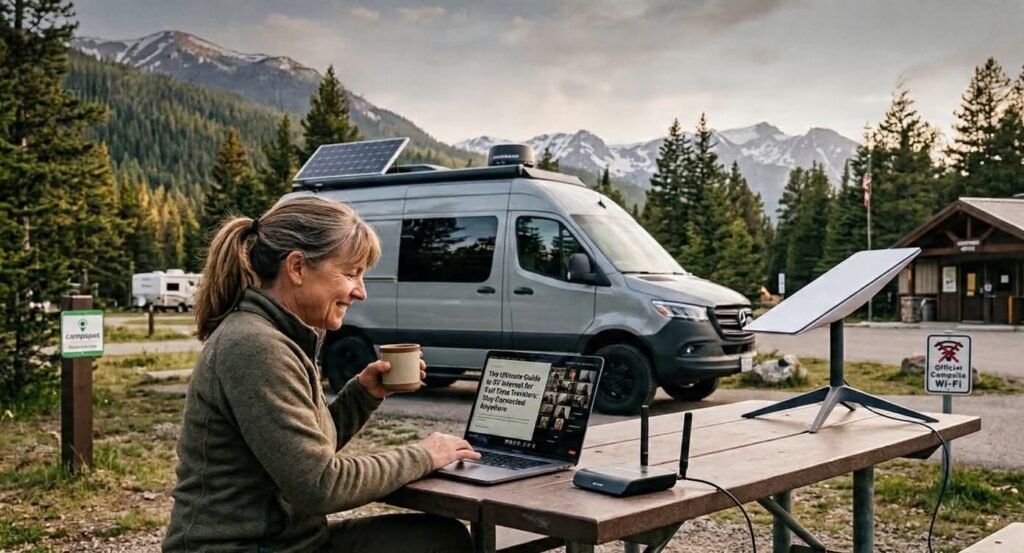
Finding reliable RV internet for full-timers is one of the biggest challenges on the road. Picture this: you’re parked at a beautiful campgroun  by mountain views, coffee in hand, and ready to join an important Zoom call. However, the campground Wi-Fi is painfully slow. The video freezes, the audio cuts out, and suddenly you’re scrambling to find a signal. If you’ve spent any time on the road, you know this situation is far too common.Finding reliable RV internet for full-timers is one of the biggest challenges on the road. Picture this: you’re parked at a beautiful campground…


As a full-time RVer, I’ve learned that relying solely on campground internet is one of the biggest mistakes you can make. For instance, many campgrounds advertise free Wi-Fi, but once dozens of campers connect, the network often becomes unreliable.Simple tasks like checking email, streaming Netflix, uploading photos, or working remotely can quickly become frustrating.


Fortunately, there are much better RV internet options for full-time travelers available today. In fact, with the right setup, you can stay connected almost anywhere your travels take you. Whether you’re looking for the best internet for RVers, researching reliable RV internet solutions, or wondering how to get WiFi in an RV that actually works, you’re in the right place.


Throughout this guide, I’ll share the practical lessons I’ve learned from life on the road, including mobile hotspots, RV routers, cell signal boosters, Wi-Fi extenders, and other proven solutions. In the end, my goal is to help you avoid the connectivity headaches I’ve experienced and build an internet setup you can depend on for work, entertainment, navigation, and staying in touch with family—no matter where you park your RV.

The 3 Main Ways to Get Internet on the Road

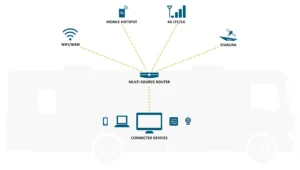
One of the first things new RVers discover is that there isn’t a single internet solution that works perfectly everywhere. In fact, the best RV internet setup often combines multiple technologies to keep you connected no matter where your adventures take you.

After spending time on the road, I’ve learned that dependable RV internet isn’t about finding one magical device. Instead, it’s about understanding the strengths and weaknesses of each option and choosing the right combination for your travel style.

Let’s break down the three main ways RVers stay connected.

1. Cellular Data (4G/5G LTE): The Most Reliable Option for Most RVers

For most full-time travelers, cellular data remains the foundation of reliable RV internet solutions. Whether you’re checking email, streaming movies, using GPS navigation, or working remotely, a strong cellular connection is often your best friend.

Unlike campground Wi-Fi, cellular networks aren’t shared with hundreds of campers trying to stream Netflix at the same time. So, speeds are often faster and more consistent.


Many RVers use a dedicated mobile hotspot, while others invest in a 4G LTE RV gateway or RV router that can distribute internet throughout the coach. Additionally, pairing your setup with a cell phone booster for RV use can significantly improve signal strength in rural areas.

The biggest advantage is flexibility. As long as you’re within range of a cellular tower, you’ll usually have access to internet service. Therefore, cellular data is often considered the best internet for RVers who travel frequently and need dependable connectivity.

However, cellular coverage isn’t perfect. Remote deserts, mountain valleys, and certain national park areas can still leave you searching for a signal.

2. Satellite Internet (Starlink): A Game-Changer for Remote Camping

Starlink has transformed RV internet for remote work and off-grid travel. Unlike traditional satellite systems, Starlink delivers much faster speeds and lower latency, making activities like video conferencing, streaming, and large file uploads much more practical.

For example, if you enjoy boondocking on public land far from cellular towers, Starlink can provide internet access where other solutions simply fail.


Also many full-time RVers now rely on Starlink as either their primary connection or an important backup option.

That said, Starlink isn’t perfect. The equipment and monthly service costs are significantly higher than many cellular plans. In addition, Starlink requires a relatively clear view of the sky. Heavy tree cover can block the signal and reduce performance dramatically.

As a result, Starlink works best for travelers who frequently camp in open areas and need internet access in places where cellular service is limited or unavailable.


3. Campground Wi-Fi and Wi-Fi Boosters: Helpful, But Not Something to Rely On

Most campgrounds advertise free Wi-Fi. Unfortunately, experienced RVers know that campground internet can be hit or miss.

For instance, a network may perform well early in the morning when few people are online. However, speeds often slow dramatically in the evening when everyone starts streaming videos or browsing the web.


This is where an RV WiFi extender or campground WiFi booster can help. These devices are designed to capture weak Wi-Fi signals from farther away and improve your connection inside the RV.

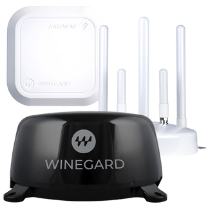
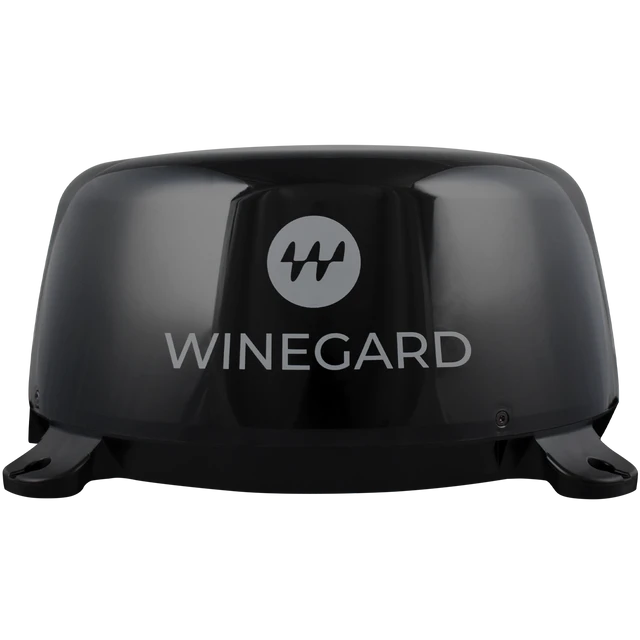
Products such as the Winegard Connect 2.0 have become popular because they can help extend usable Wi-Fi coverage when campground internet is available.


It’s important to understand their limitations. A booster cannot create internet speed that doesn’t exist. If the campground’s connection is overloaded, even the best equipment won’t perform miracles.

In the end, campground Wi-Fi should be viewed as a bonus rather than your primary internet source. Most experienced RVers depend on cellular data, Starlink, or a combination of both, while using campground Wi-Fi whenever it’s available and performing well.


Why a Dedicated RV Gateway Beats Your Mobile Hotspot

When most people start researching how to get WiFi in an RV, their first thought is usually, “I’ll just use my phone’s hotspot.” At first, that seems like a simple and affordable solution. For occasional weekend trips, a mobile hotspot may work perfectly fine.


However, full-time RV travel is a completely different story. After spending months on the road, many RVers discover the limitations of relying on a smartphone. Running a hotspot for hours can cause your phone to overheat, especially in summer. It also drains your battery fast, forcing you to keep it plugged in constantly.


Many carriers reduce hotspot speeds after you hit a usage limit. So what starts as a fast connection becomes painfully slow when you need it most — during video meetings, uploading content, or streaming in the evenings.

The Real Advantage: Roof-Mounted Antennas

A 4G LTE RV gateway is built for life on the road. These systems stay connected for long periods, manage multiple devices, and give full-time travelers a more stable experience.


Many RV gateways connect to antennas mounted on your roof. Think about parking in a remote campground where your phone shows one weak bar — or no service at all. A roof-mounted antenna sits higher and pulls in signals from much greater distances. It can find a connection your phone simply cannot.


For full-time RVers, this can be the difference between having internet and having none. Many modern systems combine a modem, router, and antenna in one unit. Your laptops, smart TVs, tablets, and phones all connect through one reliable network inside the RV.

While a mobile hotspot can serve as a useful backup, a dedicated RV gateway is often the better long-term investment for serious travelers. Not only does it provide stronger connectivity, but it also creates a more dependable internet experience wherever the road takes you.


In short, if reliable RV internet is a priority, upgrading from a smartphone hotspot to a dedicated gateway system is one of the smartest improvements you can make to your setup.

Matching Your Travel Style to the Perfect Winegard Setup

By now, you’ve probably realized that there isn’t a single internet solution that’s perfect for every RVer. The best internet for RVers depends on how you travel, where you camp, and how important reliable connectivity is to your daily life.

For instance, someone who takes a few camping trips each year has very different internet needs than a full-time traveler running a business from the road.

Fortunately, Winegard offers solutions for both types of RV lifestyles.


The Weekend Warrior or Budget Traveler

If you primarily stay in RV parks, campgrounds, or resorts that provide Wi-Fi, the Winegard ConnecT 2.0 can be an excellent place to start.


As we’ve discussed, campground internet can be unpredictable. Sometimes the signal is strong near the office but weak at your campsite. In other situations, your laptop may connect while your smart TV, tablet, or other devices struggle to stay online.


The Winegard ConnecT 2.0 helps solve this problem by acting as an RV WiFi extender and campground WiFi booster. Instead of connecting each device separately, the system captures available campground Wi-Fi and redistributes it through your own private network inside the RV.


So, all your devices can connect more easily while enjoying a more stable experience.


For weekend travelers, seasonal campers, and RV owners looking for a budget-friendly upgrade, this solution often provides a significant improvement over relying on standard campground Wi-Fi alone.


The Full-Time Digital Nomad

If your livelihood depends on staying connected, your requirements are completely different.


Whether you’re attending Zoom meetings, managing an online business, homeschooling your children, uploading videos, or working remotely, internet downtime isn’t just frustrating—it can impact your income and productivity.


In this situation, a more advanced setup is often worth the investment.


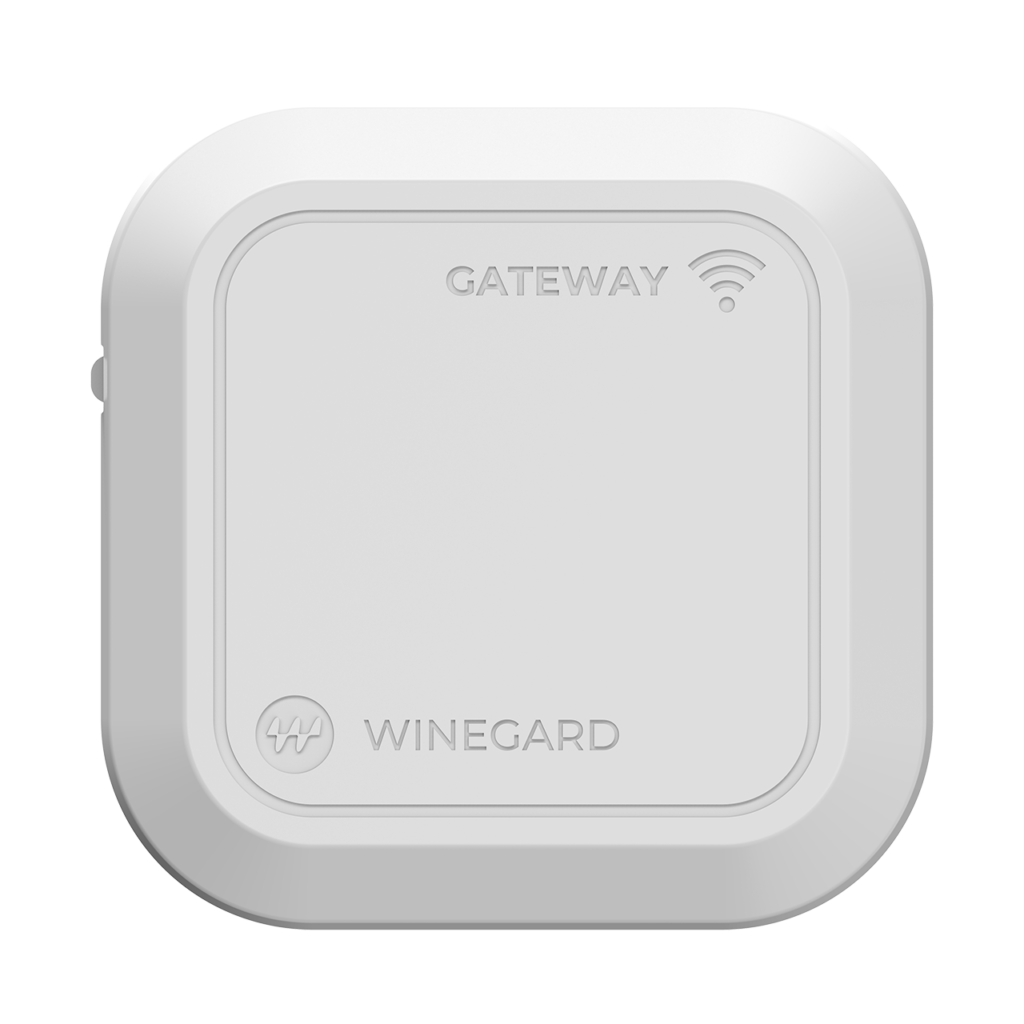
The combination of the Winegard Air 360+ and Winegard Gateway creates a powerful RV internet system designed specifically for travelers who need dependable connectivity on the road.


Unlike basic hotspot solutions, the Air 360+ features a roof-mounted antenna system designed to capture available cellular signals more effectively than a smartphone alone. Meanwhile, the Winegard Gateway functions as the central hub of your RV network, helping distribute internet throughout your coach.


As a result, you get a true “set-it-and-forget-it” solution that supports multiple devices and provides a more reliable connection for everyday use.


Also, this type of setup is ideal for RV internet for remote work because it minimizes many of the common frustrations associated with phone hotspots, weak campground Wi-Fi, and constantly switching between networks.

Which Setup Is Right for You?

The answer ultimately comes down to how you travel.

If you primarily rely on campground Wi-Fi and want a simple, affordable way to improve your connection, the Winegard ConnecT 2.0 may be all you need.


However, if you’re a full-time RVer who depends on internet access every day, investing in a dedicated setup such as the Air 360+ paired with the Winegard Gateway can provide the reliability and convenience that many road warriors simply can’t live without.


After all, when you’re traveling full-time, internet isn’t just a luxury anymore—it’s part of your everyday infrastructure, just like water, electricity, and propane.

Travel StyleRecommended SolutionBest For
Weekend WarriorWinegard ConnecT 2.0Campground Wi-Fi users who want a simple, affordable way to improve connectivity
Full-Time RVerWinegard Air 360+ + GatewayReliable daily internet, remote work, streaming, and multiple connected devices
Boondocker & Remote ExplorerStarlink RVOff-grid camping, remote public lands, and areas with little or no cellular coverage


RV internet setup for full-timers& TV Antenna
Air 360+ 5G Outdoor RV HDTV, WiFi, & 5G Antenna
RV internet setup for full-timers Portable Starlink Standard Dish with Mobility Mount
Starlink Standard with Mobility Mount Portable Starlink Standard Dish with Mobility Mount
Gateway 5G Ceiling RV 5G Router for Air RV internet setup for full-timers 360+ 5G
Gateway 4G Ceiling RV 4G Router for Air 360+

Quick Recommendation at a Glance

  • Choose the Winegard ConnecT 2.0 if you primarily stay in RV parks and want to make campground Wi-Fi more usable.
  • Choose the Winegard Air 360+ and Gateway if you work from the road and need dependable internet every day.
  • Choose Starlink RV if you frequently camp far from civilization and need internet where cellular service is unavailable.


Why Full-Timers Need More Than a Mobile Hotspot for RV Internet

One lesson I’ve learned from RV travel is that no single internet solution works perfectly everywhere. For this reason, many experienced RVers combine a cellular-based setup like the Winegard Air 360+ and Gateway with Starlink as a backup for remote locations. This provides greater flexibility and helps ensure you’re connected whether you’re parked at a busy campground or boondocking miles from the nearest cell tower.

Ready to Build a Reliable RV Internet Setup?

Whether you’re a weekend camper, a full-time traveler, or an off-grid adventurer, choosing the right equipment can save hours of frustration and keep you connected wherever the road leads.


Scroll to Top