
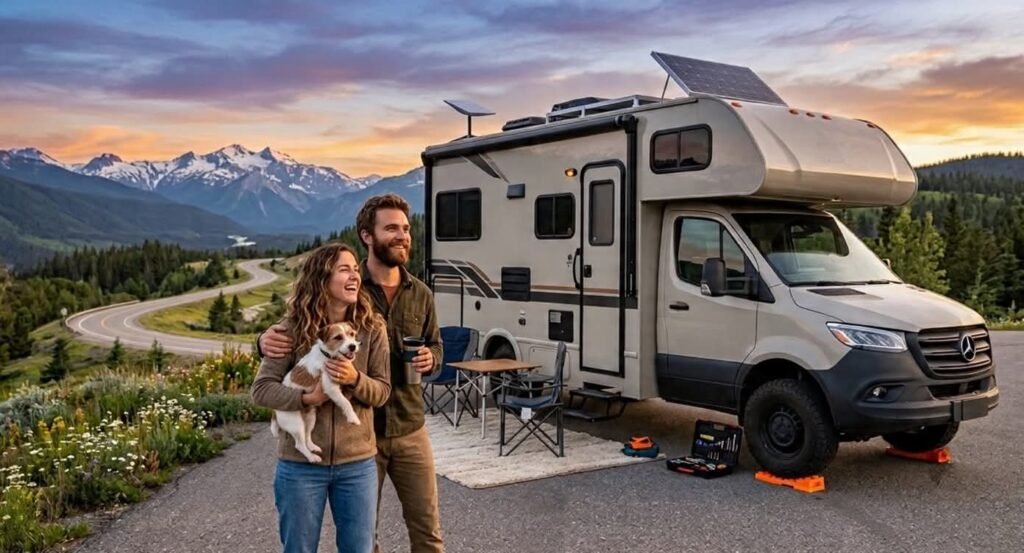
Is RV Living Right for You? The Complete Beginner’s Guide Before Buying an RV (2026)
Is RV living right for you? If you’ve been dreaming about waking up to mountain views one week and ocean sunsets the next, you’re not alone. More people than ever are exploring RV living as a way to enjoy freedom, travel, and a simpler lifestyle. However, before you trade your house for a home on wheels, there are a few important questions to ask yourself. This complete beginner’s guide will help you decide if RV living truly matches your goals, budget, and personality before you buy your first RV.
Is RV Living Right for You?
RV life looks incredible on Instagram. Beautiful campsites, cozy interiors, campfires, and endless adventures make it seem like the perfect lifestyle.
However, social media only shows part of the story.
Living in an RV is about much more than traveling. It means learning to live with less, planning your budget, handling unexpected repairs, and adapting to life on the road.
The good news?
For many people, it becomes one of the most rewarding decisions they ever make.
Before investing anywhere from $20,000 to more than $300,000 in an RV, take a few minutes to answer the questions in this guide. They may help you avoid expensive mistakes and give you confidence in your decision.
Whether you’re planning to travel full-time, spend several months each year exploring North America, or simply enjoy weekend camping trips, this guide will help you decide if RV living is the right fit for your lifestyle.




🚐 RV Explorer Journey Tip
As someone researching,traveling and writing extensively about RV travel, I’ve found that most new RVers are happiest when they start slowly. Renting an RV, trying different campgrounds, and testing memberships before buying can prevent expensive mistakes and help you discover what style of travel you truly enjoy.
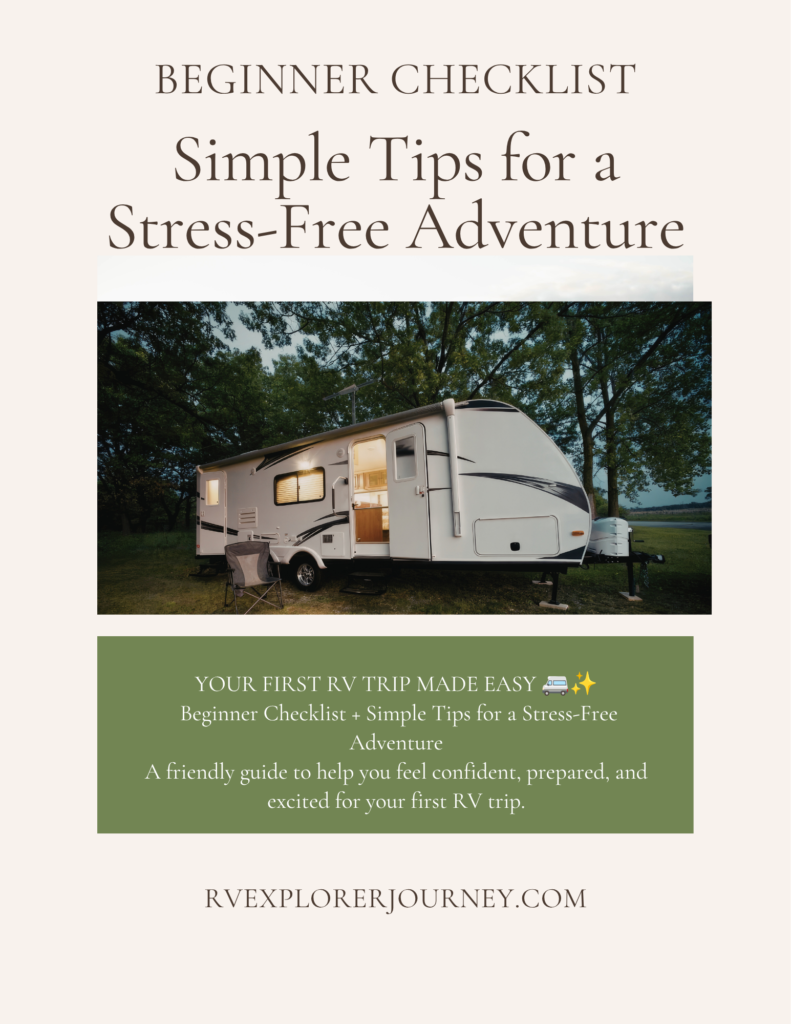
Quick RV Lifestyle Quiz
Before reading further, see how many of these statements describe you.
Is RV Living Right for You?
✅ I enjoy traveling and exploring new places.
✅ I don’t mind living in a smaller space.
✅ I enjoy solving unexpected problems.
✅ I can work remotely or have a flexible income.
✅ I like spending time outdoors.
✅ I don’t need to own lots of things.
✅ I enjoy meeting new people.
✅ I like learning new skills.
✅ I am comfortable changing my plans when necessary.
✅ I value experiences more than possessions.
Your result
8–10 checkmarks
RV living could be an excellent fit for your lifestyle.
5–7 checkmarks
You may enjoy RV life, but it’s worth renting an RV before making a long-term commitment.
0–4 checkmarks
That’s perfectly okay. RV travel can still be a wonderful hobby without becoming your full-time lifestyle.
Remember, there is no right or wrong answer. The goal is to discover the lifestyle that makes you happiest.
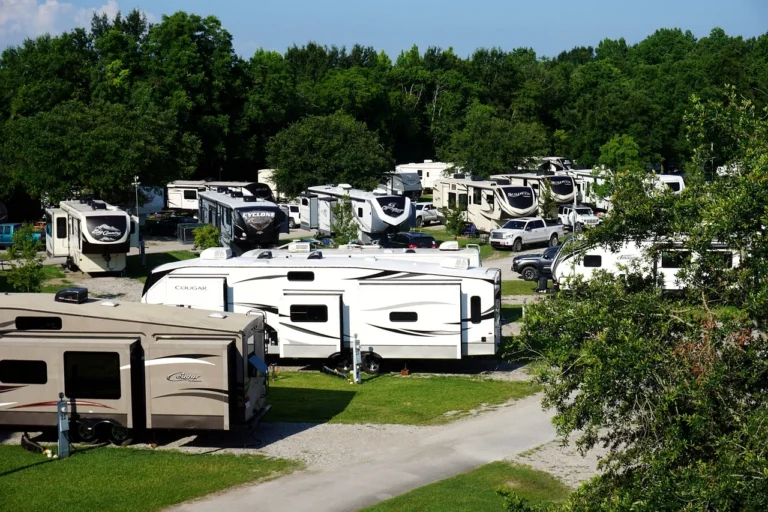

Why Do People Choose RV Life?
There isn’t one perfect reason to choose RV living. In fact, every RVer has a different story.
Some people want more freedom. Others want to travel after retirement. Many families dream of spending more time together. Meanwhile, remote workers and digital nomads have discovered they can work from almost anywhere with a reliable internet connection.
No matter your reason, understanding your “why” is one of the most important steps before buying an RV.
Retirees Looking for Adventure
Retirement gives many people something they haven’t had in years—time.
Instead of waiting for a two-week vacation, retirees can explore national parks, visit family across the country, or spend winters in warmer climates without booking expensive hotels.
Many retirees also find that RV living helps simplify life. Less house means less maintenance, fewer bills, and more opportunities to create memories.
Remote Workers and Digital Nomads
Working from the road is more realistic than ever.
Thanks to remote jobs, high-speed mobile internet, and satellite services like Starlink, thousands of professionals now work from campgrounds, state parks, and public lands.
Whether you’re a web designer, virtual assistant, customer support specialist, writer, or software developer, an RV can become your office with a view.
If reliable internet is essential for your job, choosing the right connectivity setup should be one of your first priorities.
Families Who Want More Time Together
Many families choose RV life because they value experiences over possessions.
Instead of spending weekends at home, they can explore national parks, learn history by visiting historic sites, hike scenic trails, and create unforgettable memories together.
Children often gain hands-on learning experiences that simply can’t be found in a traditional classroom.
Solo Travelers Seeking Freedom
Traveling alone may sound intimidating at first, but thousands of solo RVers absolutely love it.
Many enjoy the flexibility of changing plans whenever they want, meeting fellow campers, and discovering places they might never have visited otherwise.
RV communities are surprisingly welcoming, making it easier than many people expect to build friendships along the way.
Weekend Campers
Not everyone wants to live in an RV full-time.
Many people simply enjoy taking weekend trips or extended vacations while keeping a traditional home.
This approach offers the best of both worlds and can be an excellent way to test the RV lifestyle before making a bigger commitment.
🚐 RV Explorer Journey Tip
You don’t have to sell your house tomorrow.
If you’re unsure whether RV living is right for you, rent an RV for a week or two. Experience everyday life on the road before making a significant investment. The lessons you learn during that trip could save you thousands of dollars later.
10 Questions to Ask Before Living in an RV Full-Time
1. Can Yo Live Comfortably in Under 300 Square Feet?
This is the biggest adjustment for most new RV owners.
While modern RVs make excellent use of space, they still require you to live more intentionally.
Pros
- Easier to clean
- Lower utility costs
- Less clutter
- More time outdoors
- Simpler lifestyle
Challenges
- Limited storage
- Less privacy
- Smaller kitchen
- Careful organization is essential
One of the best ways to maximize your space is by choosing furniture with built-in storage, collapsible kitchen tools, and stackable containers.
Remember, every item should have a purpose.
2. Can You Afford RV Living?
RV living can cost less than owning a traditional home, but it isn’t always cheaper.
Your monthly expenses depend on how often you travel, where you stay, and the type of RV you own.
| Monthly Expense | Typical Cost |
|---|---|
| Fuel | $150–$800 |
| Campgrounds | $0–$1,200 |
| Insurance | $80–$300 |
| Maintenance Fund | $100–$300 |
| Internet | $80–$250 |
| Propane | $20–$80 |
| Laundry | $20–$60 |
One of the easiest ways to reduce campground costs is by mixing different types of overnight stays.
For example:
- Public campgrounds
- State parks
- Free dispersed camping where permitted
- Membership programs
- Farm and winery stays
If you prefer traditional campgrounds and RV resorts, Campspot can help you search and book available campsites online. Check out my Campspot review for 2026 to see how it works, the pros and cons, pricing, and alternatives.
If you enjoy unique camping experiences, Harvest Hosts can provide overnight stays at farms, wineries, breweries, and attractions. Many RV travelers combine these stays with traditional campgrounds to reduce costs while discovering places they might otherwise miss.
If your goal is spending more time off-grid, Boondockers Welcome offers access to thousands of private host locations across North America. It’s another popular way to lower camping expenses while meeting fellow RVers.
🚐 RV Explorer Journey Tip
You don’t have to stay at expensive RV parks every night. Many experienced RVers mix public campgrounds, state parks, Harvest Hosts, Boondockers Welcome, and free dispersed camping to lower their travel costs while enjoying a wider variety of destinations. A little planning can save hundreds of dollars each month.
3. Can You Earn Money While Traveling?
Many people assume retirement is the only way to enjoy RV life.
Fortunately, that’s no longer true.
Common income sources include:
- Freelance writing
- Website design
- SEO consulting
- Virtual assistance
- Customer support
- Blogging
- YouTube
- Affiliate marketing
- Online teaching
- Seasonal campground jobs
- National park concessions
- Amazon CamperForce
- Workamping opportunities
Diversifying your income is often the safest strategy. Instead of relying on one source, many full-time RVers combine freelance work with blogging or affiliate marketing.
Building an online business takes time, but it can eventually provide the flexibility to travel almost anywhere.
5. What Happens If Your RV Breaks Down?
Every RV owner experiences repairs sooner or later.
The good news is that most issues are minor. Flat tires, dead batteries, leaking water pumps, and appliance repairs are all common parts of RV ownership.
That’s why it’s smart to build an emergency repair fund before you start traveling full-time.
Many experienced RVers recommend setting aside $1,000–$5,000 for unexpected repairs, depending on the age and condition of your RV.
Roadside assistance can also provide peace of mind if you experience a breakdown far from home.
💰 Money-Saving Tip
Regular maintenance is almost always cheaper than emergency repairs. Inspect your tires, roof seals, batteries, and brakes before every major trip.
4. Are You Comfortable Driving a Large RV?
Driving an RV is very different from driving a car.
At first, it may feel intimidating. Large motorhomes and trailers require more space, wider turns, and longer stopping distances. However, most new RV owners become more confident after a few practice trips.
Before heading out on a long adventure, spend time driving in an empty parking lot or on quiet roads. Practice backing up, parking, and making wide turns. If you’re towing a travel trailer or fifth wheel, learning how to hitch and unhitch safely is just as important.
Remember, there is no prize for driving fast. Taking your time will make every trip safer and far more enjoyable.
🚐 RV Explorer Journey Tip
If you’re new to RVing, rent different types of RVs before buying one. A weekend trip can help you discover what size and layout feel most comfortable behind the wheel.
6. Will You Have Reliable Internet on the Road?
For many RVers, internet access is no longer optional.
Whether you work remotely, attend online meetings, stream movies, or stay in touch with family, having a reliable connection makes life on the road much easier.
Today, many travelers combine several internet options, including:
- Starlink for RV
- Cellular hotspots
- Mobile data plans
- Signal boosters
- Campground Wi-Fi as a backup
No single solution works everywhere. Many experienced RVers use Starlink when camping off-grid and switch to cellular service in areas with strong coverage.
If you work remotely, always have a backup internet option before arriving at your next destination.
📡 RV Explorer Journey Tip
Before booking a campground, check recent reviews for internet quality. A beautiful campsite won’t help much if you need a reliable connection for work.
7. Are You Ready to Live With Less?
One of the biggest rewards of RV living is simplicity.
Living in a smaller space naturally encourages you to own fewer things and focus on experiences instead of possessions.
Before moving into an RV, go through your belongings and ask yourself one simple question:
“Have I used this during the last year?”
If the answer is no, you may not need it.
Storage containers, collapsible kitchen tools, hanging organizers, and multifunction furniture can help maximize every inch of your RV.
Many full-time RVers discover that living with less actually gives them more freedom.
🌿 RV Explorer Journey Tip
Try living with only the items you plan to bring for one week before your first trip. It’s an easy way to discover what you truly need.
8. What Happens to Your Mail?
This is one of the most overlooked parts of full-time RV living.
Even though many services are now online, you’ll still receive important documents such as bank statements, vehicle registrations, insurance information, and replacement credit cards.
Fortunately, several mail forwarding services are designed specifically for RV travelers.
These companies receive your mail, scan envelopes, forward important documents, or hold everything until you’re ready to receive it.
Planning your mail strategy before leaving home can save you a lot of stress later.
📬 Quick Tip
If you plan to travel full-time, choose a reliable mail forwarding service before you hit the road. It’s much easier than changing your address after you’ve already started traveling.

9. What About Healthcare and Travel Insurance?
Healthcare should never be an afterthought.
If you’re traveling across different states or countries, make sure you understand how your health insurance works while you’re away from home.
Many RV travelers also use telehealth services for routine medical appointments and prescription refills.
If you’re planning international travel, don’t forget to purchase travel insurance before your trip. It can help protect you against unexpected medical expenses, trip interruptions, and emergencies.
Depending on where you’re traveling, providers such as AXA, Generali, or Travelex may offer plans worth comparing.
❤️ RV Explorer Journey Tip
Before every long trip, refill your prescriptions and keep digital copies of your important medical information in a secure location.
10. Will Your Pets Enjoy RV Life?
For many people, an adventure isn’t complete without their furry companion.
Fortunately, RV travel can be a wonderful lifestyle for dogs and many other pets.
However, it also requires planning.
Research pet-friendly campgrounds, understand National Park pet rules, and locate nearby veterinarians before arriving at a new destination.
Never leave pets inside an RV without proper ventilation or climate control, especially during hot summer months.
Many RV travelers also keep an emergency pet first-aid kit on board.
🐾 RV Explorer Journey Tip
Save the location of the nearest emergency veterinarian each time you arrive at a new campground. Hopefully you’ll never need it—but you’ll be glad it’s there if you do.
11. Are You Ready for Every Season?
Mother Nature doesn’t always follow your travel plans.
Summer heat, winter snow, heavy rain, hurricanes, and strong winds can all affect your journey.
Learning to monitor weather forecasts and staying flexible with your route is one of the best skills you can develop as an RVer.
If you’re planning to camp off-grid, consider carrying a portable power station and solar panels. They can provide reliable backup power during outages and make boondocking much more comfortable.
⚡ RV Explorer Journey Tip
An ALLPOWERS portable power station paired with solar panels can be a practical backup for charging electronics, running small appliances, and extending your time off-grid.
12. Are You Prepared to Stay Safe and Healthy?
Safety goes beyond locking your RV door.
Install smoke detectors, carbon monoxide detectors, propane leak detectors, and fire extinguishers. Regularly inspect your generator, electrical system, and propane connections.
Personal safety is equally important. Trust your instincts when choosing a campsite, and avoid isolated areas if they don’t feel comfortable.
Finally, don’t overlook your mental well-being.
Living on the road can be exciting, but it can also feel lonely at times. Couples may spend more time together than ever before, while solo travelers may occasionally miss family and friends.
Stay connected through phone calls, video chats, RV communities, and local events. Building relationships with other RVers often becomes one of the most rewarding parts of the journey.
❤️ Final RV Explorer Journey Tip
RV living isn’t about escaping life—it’s about creating a life you truly enjoy. Stay flexible, keep learning, and remember that every challenge on the road is part of the adventure.
Best Overnight Camping Options
| Camping Option | Average Cost | Best For | Hookups |
|---|---|---|---|
| State Parks | $20–$50 | Nature lovers | Usually partial |
| Private RV Parks | $40–$120 | Full amenities | Full hookups |
| Harvest Hosts | Membership + purchases | Unique experiences | Usually none |
| Boondockers Welcome | Membership | Saving money | Usually none |
| Free Public Land (BLM) | Free | Off-grid camping | None |
Biggest Mistakes First-Time RV Owners Make
Starting your RV journey is exciting. However, it’s also easy to make expensive mistakes.
The good news? Most of them are completely avoidable.
Here are some of the most common mistakes new RVers make and how you can avoid them.
1. Buying More RV Than You Need
Bigger isn’t always better.
A large Class A motorhome may look amazing, but it can be harder to drive, more expensive to maintain, and impossible to fit into some campgrounds.
Before buying, think about how you plan to travel. Weekend campers, couples, and full-time families all have different needs.
🚐 RV Explorer Journey Tip
Rent a few different RV types before buying. You’ll quickly discover which size and layout feel most comfortable.
2. Ignoring the RV’s Payload Capacity
Many first-time buyers don’t realize that every RV has a maximum carrying capacity.
Water, food, clothing, tools, bikes, and camping gear all add weight.
Overloading your RV can reduce fuel efficiency, increase tire wear, and even create dangerous driving conditions.
Always check your RV’s payload rating before packing.
3. Skipping the Pre-Purchase Inspection
Buying a used RV without an inspection can become an expensive mistake.
Water damage, roof leaks, electrical problems, and hidden mechanical issues may not be obvious during a quick walkthrough.
A professional RV inspection could save you thousands of dollars in future repairs.
4. Not Creating a Realistic Budget
Many people underestimate the true cost of RV living.
Fuel, maintenance, campground fees, insurance, internet, and unexpected repairs all add up.
Creating a monthly budget before you hit the road will help you avoid financial stress later.
5. Buying Too Quickly
It’s easy to fall in love with the first RV you see.
Instead, take your time.
Visit dealerships, attend RV shows, rent different models, and compare floor plans before making your decision.
The more research you do today, the happier you’ll be with your purchase tomorrow.
⭐ My Recommendation
Your first RV doesn’t have to be your forever RV. Many experienced travelers upgrade or downsize after learning what works best for their lifestyle.
Which Type of RV Is Right for You?
| RV Type | Best For | Pros | Things to Consider |
|---|---|---|---|
| Travel Trailer | Beginners, couples | Affordable, many floor plans, towable | Requires a tow vehicle |
| Fifth Wheel | Families, full-time RVers | Spacious, excellent storage | Needs a heavy-duty truck |
| Class A Motorhome | Luxury travelers | Comfortable, residential feel | Higher purchase and maintenance costs |
| Class C Motorhome | Couples and small families | Easier to drive than Class A, good balance of space | Less storage than a Class A |
| Camper Van (Class B) | Solo travelers and weekend trips | Easy to park, fuel efficient | Limited living space |
🚐 RV Explorer Journey Tip
If you’re buying your first RV, don’t assume bigger is better. Rent a few different RV types before making a purchase. A weekend rental can teach you more than hours of online research.
RV Living: Pros and Cons
Every lifestyle has advantages and challenges.
Here’s a quick comparison to help you decide whether RV living matches your goals.
| Pros | Cons |
|---|---|
| 🌎 Freedom to travel | 🔧 Regular maintenance |
| 🏕️ New adventures every week | 📦 Smaller living space |
| 💰 Potentially lower housing costs | ⛽ Fuel expenses |
| 📍 Flexible lifestyle | 🛠️ Unexpected repairs |
| 🌅 Amazing scenery | 🌦️ Weather can affect plans |
| 👨👩👧 Strong RV community | 📶 Internet may vary by location |
| ❤️ Simpler lifestyle | 🚐 Limited storage space |
🚐 RV Explorer Journey Tip
For many people, the freedom and experiences far outweigh the challenges. However, it’s important to understand both sides before making the leap.
Planning your first RV adventure?
Avoid Costly Mistakes
Learn the biggest mistakes first-time RV buyers make before spending thousands of dollars on an RV.
Plan Your RV Budget
Use an easy budget planner to estimate fuel, campground fees, insurance, maintenance, and monthly travel expenses.
Travel With Confidence
Follow a simple step-by-step checklist covering internet, insurance, mail forwarding, pets, safety, and trip planning.
Frequently Asked Questions
Can you live in an RV year-round?
Yes. Many people live in an RV full-time throughout the year.
However, you’ll need to prepare for changing weather, choose campgrounds carefully, and stay on top of regular maintenance.
Is RV living cheaper than owning a house?
It depends.
Some RVers spend less than they did in a traditional home, while others spend more because they travel frequently or stay at premium RV resorts.
Your travel style has the biggest impact on your monthly budget.
Can you receive mail while living in an RV?
Absolutely.
Many full-time RVers use professional mail forwarding services. These companies receive your mail, scan envelopes, and forward important documents wherever you’re traveling.
Can you travel with pets?
Yes.
Thousands of RV travelers bring their dogs and cats on the road.
Just remember to research pet-friendly campgrounds, carry vaccination records, and locate nearby veterinarians before arriving at a new destination.
Can you work remotely while living in an RV?
Yes.
Many RVers work as freelancers, remote employees, business owners, content creators, or online consultants.
A reliable internet setup—such as Starlink, a cellular hotspot, or both—can make working from the road much easier.
How much money do you need to start RV living?
The answer depends on your travel style.
Some people begin with a used travel trailer and a modest budget, while others invest in a luxury motorhome.
Besides the cost of the RV itself, plan for insurance, maintenance, campground fees, fuel, internet, and an emergency repair fund.
Ready To Get Started

Melinda Szekeres, is the founder of RV Explorer Journey, a resource dedicated to helping RV travelers explore the open road with confidence. Through extensive research and a passion for the RV lifestyle, Melinda curates honest gear reviews, campsite guides, solar power tips, and money-saving travel advice to help both beginners and seasoned road trippers plan their perfect adventure.