
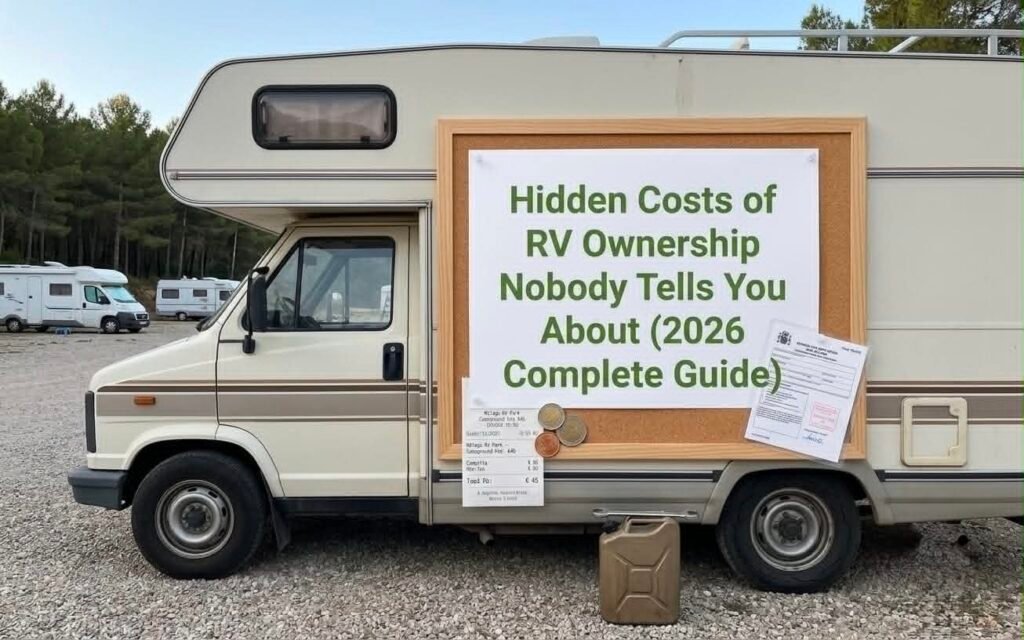
Hidden Costs of RV Ownership Nobody Tells You About (2026 Complete Guide)
Buying an RV is an exciting milestone. Whether you’re dreaming of weekend camping trips, cross-country adventures, or even full-time RV living, owning an RV offers incredible freedom and flexibility. However, many first-time buyers focus almost entirely on the purchase price and overlook the ongoing expenses that come with RV ownership.
The reality is that the hidden costs of RV ownership go far beyond your monthly payment. Insurance, routine maintenance, fuel, campground fees, storage, repairs, registration, taxes, and essential accessories can add thousands of dollars to your annual budget. While these expenses are a normal part of RV ownership, they often surprise new owners who haven’t planned for them in advance.
The good news is that most of these costs are predictable. With the right information and a realistic budget, you can avoid financial surprises and enjoy your RV adventures with confidence. Understanding what to expect before you buy also helps you compare different types of RVs, estimate your yearly expenses, and decide whether the RV lifestyle fits your budget.
In this complete guide, you’ll learn about the most common RV ownership expenses, how much they typically cost, and why they matter. We’ll also cover practical ways to save money, compare annual costs for different travel styles, provide maintenance schedules, and include a budget planner to help you estimate your own expenses.
By the end of this guide, you’ll have a clear understanding of the true cost of owning an RV, allowing you to make informed decisions and enjoy the open road without unexpected financial stress.
How Much Does It Really Cost to Own an RV?
The average annual cost of owning an RV typically ranges from $5,000 to more than $20,000, depending on the type of RV you own, how often you travel, where you camp, fuel prices, insurance rates, storage fees, and routine maintenance. Weekend travelers usually spend less than full-time RVers, while larger motorhomes generally cost more to operate than travel trailers or camper vans.
Beyond the purchase price, you’ll need to budget for recurring expenses such as insurance, fuel, campground fees, maintenance, tire replacement, registration, repairs, and essential accessories. Unexpected breakdowns can also increase your yearly costs, making an emergency fund an important part of responsible RV ownership.
Planning for these hidden expenses before you buy helps you avoid financial surprises and enjoy the RV lifestyle with greater confidence. A realistic budget allows you to spend more time exploring new destinations and less time worrying about unexpected bills.


Estimated Annual RV Ownership Costs
| Expense | Weekend Traveler | Full-Time RVer |
|---|---|---|
| Insurance | $600–$1,200 | $1,200–$3,000+ |
| Fuel | $1,000–$3,000 | $4,000–$8,000+ |
| Campgrounds | $500–$2,000 | $3,000–$10,000+ |
| Maintenance | $500–$1,500 | $1,500–$4,000+ |
| Storage | $300–$1,500 | Usually not needed |
| Repairs | $300–$2,500 | $1,000–$5,000+ |
| Registration & Taxes | $100–$800 | $200–$1,000+ |
| Tires (annual savings) | $300–$700 | $500–$1,000+ |
| Estimated Total | $5,000–$12,000 | $12,000–$30,000+ |
🚐 RV Explorer Journey Tip
These are estimated annual ranges. Actual costs vary based on your RV type, travel style, location, fuel prices, and maintenance needs.

The Purchase Price Is Only the Beginning
Many first-time RV buyers spend weeks comparing floor plans, features, and prices. However, the purchase price is only the beginning of your RV ownership journey. Before you sign the paperwork, it’s important to understand the additional costs that come with buying an RV.
One of the first expenses you’ll encounter is sales tax. Depending on where you register your RV, taxes can add thousands of dollars to the final purchase price. Some states also charge local taxes, making the total even higher.
Next are dealer fees. These may include documentation fees, delivery charges, preparation fees, or administrative costs. While some fees are unavoidable, others can sometimes be negotiated. Always ask for a complete breakdown before agreeing to the final price.
If you’re purchasing a used RV, it’s also wise to pay for a professional RV inspection. An inspection can uncover hidden issues such as roof leaks, water damage, electrical problems, or worn appliances. Spending a few hundred dollars on an inspection could save you thousands in unexpected repairs later.
Other Upfront Costs to Budget For
Many buyers also underestimate the cost of essential RV accessories. Items like leveling blocks, a sewer hose kit, a freshwater hose, a water pressure regulator, a surge protector, wheel chocks, and electrical adapters are necessary for safe and comfortable camping. These basics can easily add several hundred dollars to your initial budget.
Finally, don’t forget about registration, title, and licensing fees. Every state has different requirements, and these costs can vary depending on the size, weight, and value of your RV. Some states also require annual inspections or additional registration taxes.
The key takeaway is simple: buying the RV is only the first step. Planning for these upfront expenses helps you avoid surprises, protect your investment, and start your RV adventures with confidence rather than financial stress.
RV Insurance Costs
Insurance is one of the largest ongoing expenses of RV ownership. While every owner must carry the required minimum coverage, the actual cost of RV insurance varies widely depending on several factors. Understanding what affects your premium can help you choose the right policy while keeping costs under control.
On average, travel trailer insurance is usually more affordable than motorhome insurance because trailers do not have an engine and are not driven independently. Motorhomes, especially larger Class A models, typically cost more to insure because they are more expensive to repair and replace after an accident.
What Affects Your RV Insurance Premium?
Your premium is influenced by several factors, including:
- The type and value of your RV
- Whether the RV is new or used
- Your driving history
- Your age and location
- How often you use the RV
- Whether you travel seasonally or full-time
- Your deductible and coverage limits
New vs. Used RV Insurance
A newer RV generally costs more to insure because its replacement value is higher. However, newer models may also include advanced safety features that qualify for insurance discounts. Older RVs often have lower premiums, although they may require specialized coverage if replacement parts are difficult to find.
Another important consideration is how you use your RV. Someone who camps a few weekends each year will usually pay less than a full-time RVer who lives in the vehicle year-round. Full-time policies often include additional liability coverage that functions more like homeowners insurance.
Fortunately, there are several ways to reduce your insurance costs without sacrificing important protection:
- Compare quotes from multiple insurance companies every year.
- Bundle your RV insurance with your auto or home policy.
- Choose a higher deductible if you have an emergency savings fund.
- Ask about discounts for safe driving, secure storage, or RV safety courses.
- Avoid paying for optional coverage you don’t truly need.
While saving money is important, don’t base your decision on price alone. The cheapest policy may leave you underinsured when you need help the most. A quality insurance policy can protect you from major repair bills, liability claims, and unexpected accidents, giving you peace of mind every time you hit the road.
🚐 RV Explorer Journey Tip
If you’re planning longer trips, you may also want to read Travel Insurance for RV Travelers to understand how travel insurance and RV insurance work together to protect you on the road.
Fuel Costs Can Be Higher Than Expected
Fuel is one of the biggest hidden costs of RV ownership, especially if you plan to travel long distances. Many first-time RV owners focus on the purchase price but underestimate how quickly fuel expenses can add up over the course of a year.
The amount you’ll spend depends on several factors, including the type of RV you own, how often you travel, fuel prices, road conditions, and your driving habits. Larger motorhomes generally consume much more fuel than smaller camper vans or travel trailers.
Gas vs. Diesel RV Fuel Costs
Gas-powered RVs are often less expensive to purchase and maintain. However, they usually get lower fuel economy than diesel-powered models. Diesel motorhomes typically cost more upfront but may provide better fuel efficiency, especially on long highway trips. They also tend to have greater towing capacity and longer engine life, making them popular among full-time RVers.
How to Reduce Your RV Fuel Costs
Travel distance is another major factor. A family taking weekend camping trips may only spend a few hundred dollars on fuel each year. In contrast, full-time travelers covering thousands of miles each month can spend several thousand dollars annually.
Your driving style also affects fuel consumption. Driving at high speeds, rapid acceleration, frequent braking, carrying unnecessary weight, or towing heavy trailers all reduce fuel efficiency. Maintaining proper tire pressure, planning efficient routes, and driving at steady highway speeds can noticeably reduce fuel costs over time.
The good news is that fuel expenses are one of the easiest RV ownership costs to control. Traveling more slowly, staying longer at each destination, and avoiding unnecessary detours can significantly lower your annual fuel budget while allowing you to enjoy each location more fully.
Typical RV Fuel Economy
| RV Type | Typical MPG |
|---|---|
| Class A Motorhome | 6–10 MPG |
| Class C Motorhome | 8–12 MPG |
| Travel Trailer (Tow Vehicle) | 10–15 MPG |
| Camper Van (Class B) | 16–22 MPG |
Actual fuel economy varies depending on terrain, vehicle weight, weather conditions, towing, and driving habits.
Maintenance Costs
Routine maintenance is one of the most important investments you can make as an RV owner. While it may seem like an extra expense, regular maintenance helps prevent expensive repairs, improves safety, and extends the life of your RV. Many costly breakdowns happen because small problems were ignored until they became much larger.
Unlike a regular car, an RV combines a vehicle with a small home. That means you need to maintain both the mechanical systems and the living area throughout the year.
Essential RV Maintenance Tasks
For motorized RVs, regular oil changes are essential. Following the manufacturer’s recommended service intervals helps keep the engine running efficiently and reduces wear over time.
The roof deserves special attention because even a small leak can cause thousands of dollars in water damage. Inspect the roof several times a year and check all seams, vents, skylights, and roof accessories for cracked or deteriorating sealant. Reapplying sealant when needed is much less expensive than repairing water damage inside the RV.
Your fresh water system should also be sanitized regularly, especially before the camping season begins or after long storage periods. This helps prevent bacteria, unpleasant odors, and contaminated drinking water.
If your RV has a generator, don’t let it sit unused for months. Running it regularly and changing the oil according to the manufacturer’s schedule helps keep it reliable when you need off-grid power.
Your house batteries and chassis battery also require routine care. Check battery terminals for corrosion, maintain proper charge levels, and replace aging batteries before they fail unexpectedly.
Don’t overlook the brakes, air conditioning system, and plumbing. Brake inspections improve safety, while cleaning the air conditioner helps maintain cooling performance during hot summer trips. Plumbing inspections allow you to catch small leaks before they damage floors, cabinets, or walls.
Preventive maintenance may seem time-consuming, but it almost always costs less than emergency repairs. Setting aside a yearly maintenance budget and following a regular inspection schedule will save money in the long run and help you enjoy more worry-free adventures.
Recommended RV Maintenance Schedule
| Maintenance Task | Recommended Frequency |
|---|---|
| Roof Inspection | Every 3–6 months |
| Check Roof Sealant | Every 3–6 months |
| Engine Oil Change | Follow manufacturer schedule (typically 5,000–10,000 miles) |
| Tire Pressure Check | Before every trip |
| Tire Rotation | Every 6,000–8,000 miles (if applicable) |
| Brake Inspection | Annually or every 12,000 miles |
| Water System Sanitization | At least once a year |
| Battery Inspection | Monthly |
| Generator Service | Every 100–150 hours (or manufacturer recommendation) |
| Air Conditioner Cleaning | At least once a year |
| Plumbing Leak Inspection | Before every major trip |
🚐 RV Explorer Journey Tip
Many experienced RV owners keep a simple maintenance log with dates, mileage, and completed services. This makes it easier to stay on schedule, helps maintain your RV’s resale value, and provides useful records if you decide to sell it in the future.
Tire Replacement
Many new RV owners expect to replace their tires only when the tread wears out. Surprisingly, most RV tires age out long before they wear out. Even if the tread looks almost new, rubber naturally deteriorates over time because of sunlight, heat, moisture, and changing weather conditions.
Unlike passenger vehicles that are driven daily, many RVs spend months parked in one location. During storage, tires can develop flat spots, sidewall cracks, and internal damage that isn’t always visible. That’s why experts recommend checking the tire’s manufacturing date, not just the tread depth.
How to Extend the Life of Your RV Tires
Keeping your tires properly inflated is one of the easiest ways to improve safety and extend tire life. Underinflated tires create excess heat, while overinflated tires wear unevenly and reduce traction. Always check tire pressure before every trip, especially when the tires are cold.
Proper storage also makes a big difference. Whenever possible, park your RV on a hard surface instead of dirt or grass, use tire covers to protect against UV rays, and move the RV occasionally if it will sit for several months.
Most manufacturers recommend replacing RV tires every six to seven years, regardless of tread wear. Always inspect them sooner if you notice cracks, bulges, uneven wear, or vibration while driving.
Another worthwhile investment is a Tire Pressure Monitoring System (TPMS). These systems provide real-time tire pressure and temperature readings while you drive, helping you detect slow leaks before they become dangerous blowouts.
A single tire failure can damage your RV and quickly turn an enjoyable trip into an expensive repair. Replacing aging tires before they fail is one of the smartest investments you can make.
Campground Fees
Campground fees are another expense that many first-time RV owners underestimate. While RV travel can be more affordable than staying in hotels, campground costs vary greatly depending on where you stay and the amenities you choose.
Types of RV Campgrounds and Their Costs
Public campgrounds, such as national parks, state parks, and county parks, are often the most affordable option. They typically offer beautiful natural settings and basic amenities like water, electricity, restrooms, and dump stations. However, reservations may fill months in advance during peak travel seasons.
Private RV parks usually provide more conveniences, including full hookups, Wi-Fi, laundry facilities, swimming pools, playgrounds, and organized activities. These additional amenities often come with higher nightly rates but may be worth the extra cost for longer stays.
For travelers seeking premium experiences, luxury RV resorts offer upscale amenities such as clubhouses, fitness centers, golf courses, private beaches, and concierge services. These resorts provide exceptional comfort but are generally the most expensive camping option.
If saving money is your priority, boondocking allows you to camp without hookups on public lands where overnight camping is permitted. Although this option can be free, it requires careful planning, sufficient water storage, battery power, and waste management.
Many RV owners also reduce camping expenses through membership programs. Services like Harvest Hosts, Boondockers Welcome, and campground discount clubs can significantly lower accommodation costs throughout the year.
The best choice depends on your travel style. Some travelers prefer luxury resorts with every convenience, while others enjoy quiet public campgrounds or free overnight stays surrounded by nature. Mixing different camping options throughout the year helps keep your overall travel budget under control.
Still planning your first RV adventure? Continue reading these guides:
RV Storage Costs
Unless you travel year-round, you’ll probably need somewhere to store your RV when it’s not in use. Storage is often overlooked during the buying process, yet it can become a significant annual expense.
The least expensive option is usually outdoor storage. Many storage facilities offer secure parking spaces with fenced access and surveillance cameras. Although affordable, outdoor storage leaves your RV exposed to sun, rain, snow, and other weather conditions.
Covered storage provides additional protection from direct sunlight and hail while costing less than fully enclosed storage. This option helps reduce UV damage to your roof, tires, and exterior finish.
The most expensive option is indoor storage, where your RV is kept inside a fully enclosed building. Indoor storage offers the best protection from weather, vandalism, and long-term deterioration, making it an excellent choice for expensive motorhomes or seasonal storage.
Another consideration is your neighborhood. Many homeowners associations (HOAs) prohibit parking large RVs in driveways or on residential streets. Before purchasing an RV, check local HOA rules to avoid unexpected restrictions or fines.
If you live in a region with freezing temperatures, proper winter storage becomes even more important. Winterizing the plumbing system, disconnecting batteries, covering tires, and protecting the roof can prevent costly damage during the off-season.
Choosing the right storage solution helps protect your investment and reduces future maintenance expenses.
Unexpected Repairs
Even with excellent maintenance, unexpected repairs are simply part of RV ownership. Unlike regular vehicles, RVs combine mechanical systems, plumbing, electrical components, appliances, and living spaces into one unit. As a result, more parts can eventually fail.
One of the most common problems is water leaks. A small crack around a roof vent or window can allow moisture to enter unnoticed. Over time, this can lead to mold, rotten wood, damaged insulation, and expensive structural repairs.
Slide-outs also require regular inspection. Worn seals, damaged motors, or alignment issues can prevent slides from operating correctly and may allow water to enter the RV.
Electrical problems are another common repair. Faulty converters, blown fuses, damaged wiring, or failing batteries can affect everything from interior lights to refrigerators and air conditioners.
If your RV has a generator, repairs can become costly if routine maintenance is neglected. Regular servicing helps prevent breakdowns when you rely on generator power while camping off-grid.
Roof damage caused by tree branches, hail, or aging sealant can also lead to expensive repairs if left untreated. Inspecting the roof several times each year is one of the best ways to catch problems early.
Other unexpected repair costs may include replacing awnings damaged by wind, repairing refrigerators or water heaters, fixing air conditioners, or replacing plumbing fittings after leaks or freezing temperatures.
How to Prepare for Unexpected RV Repairs
The best way to prepare for these surprises is to build an emergency repair fund. Setting aside money every month—even a small amount—can make unexpected repairs far less stressful. Instead of delaying necessary repairs or relying on credit cards, you’ll have funds ready when something goes wrong.
While no RV owner can prevent every repair, regular inspections, preventive maintenance, and a dedicated emergency fund greatly reduce the financial impact of unexpected breakdowns. Thinking ahead allows you to spend less time worrying about repairs and more time enjoying your adventures on the open road.
Registration, Taxes & Licensing
Buying an RV doesn’t end with signing the paperwork. In addition to the purchase price, you’ll also need to budget for annual registration, title fees, taxes, and inspections. These costs may seem small on their own, but together they become another recurring expense of RV ownership.
Registration fees vary depending on where you live and the type of RV you own. Larger motorhomes usually cost more to register than travel trailers or camper vans. Some states also calculate registration fees based on the RV’s value or weight.
You’ll also pay title and licensing fees when purchasing a new or used RV. If you buy from a private seller, you may need to handle the paperwork yourself. On the other hand, dealerships often include these services in their documentation fees.
Another expense many first-time buyers overlook is sales tax. Depending on your state, taxes can add thousands of dollars to the total purchase price. Therefore, it’s important to include these costs in your overall RV budget before you buy.
Some states also require regular safety or emissions inspections. While inspections are usually affordable, failing one can lead to unexpected repair costs before your RV can be legally driven.
Because registration rules differ across the United States, always check the requirements in your home state before purchasing an RV. Planning ahead helps you avoid surprises and keeps your RV ready for every adventure.
Accessories People Forget to Budget For
After buying an RV, many owners quickly discover they still need essential camping gear. In fact, these accessories can easily add several hundred or even a few thousand dollars to your setup.
Fortunately, most of these items only need to be purchased once. Investing in quality equipment also makes every trip safer, easier, and more enjoyable.
Here are some of the most important RV accessories to budget for:
- Fresh water hose
- Water pressure regulator
- Drinking water filter
- Sewer hose kit
- Wheel chocks
- Leveling blocks
- Electrical surge protector
- 30-amp or 50-amp power adapters
- Heavy-duty extension cords
- Portable generator (if you camp without hookups)
- Camping chairs
- Outdoor mat
- Portable grill
- Bike rack
- Fire extinguisher
- Basic tool kit
Although it can be tempting to buy everything at once, you don’t have to. Instead, purchase the essentials first and add more equipment as your camping style evolves.
For example, weekend campers may not need a generator right away. However, if you plan to boondock or camp off-grid, a portable power station or generator quickly becomes one of the most valuable investments you can make.
Likewise, protecting your RV’s electrical system with a surge protector can prevent expensive damage caused by faulty campground power. Spending a little today can save hundreds—or even thousands—later.
Biggest Budget Mistakes First-Time RV Owners Make
Most hidden RV costs don’t come from bad luck. Instead, they happen because many new owners simply don’t know what to expect.
Fortunately, you can avoid most of these expensive mistakes with a little planning.
1. Buying More RV Than You Need
A larger RV often means higher insurance premiums, lower fuel economy, more expensive tires, and increased maintenance costs.
Choose an RV that matches your travel style rather than your dream wish list.
2. Underestimating Fuel Costs
Fuel is one of the largest ongoing expenses of RV ownership.
Driving long distances every few days can dramatically increase your yearly budget. Traveling more slowly and staying longer at each destination often saves both fuel and money.
3. Forgetting About Repairs
Every RV will eventually need repairs.
Water leaks, electrical issues, appliance failures, and roof maintenance are part of RV ownership. Setting aside an emergency repair fund helps prevent financial stress when something breaks.
4. Skipping Preventive Maintenance
Routine maintenance is much cheaper than major repairs.
Simple tasks like checking roof sealant, monitoring tire pressure, and servicing your water system can prevent costly damage later.
5. Not Comparing Insurance Quotes
Insurance rates vary widely between providers.
Comparing quotes every year may help reduce your annual RV ownership expenses while keeping the same level of coverage.
6. Ignoring Depreciation
Like most vehicles, RVs lose value over time.
Although depreciation isn’t a monthly expense, it affects the total cost of ownership. Buying a well-maintained used RV can reduce this financial impact.
7. Having No Emergency Fund
Unexpected expenses happen when you least expect them.
Many experienced RV owners recommend keeping a dedicated emergency fund for repairs, towing, or replacement parts. Even a small monthly contribution can provide valuable peace of mind.
The goal isn’t to eliminate every expense. Instead, it’s to plan ahead so unexpected costs don’t ruin your travel experience.
Annual RV Budget Planner
| Category | Estimated Annual Cost | Your Budget |
|---|---|---|
| Insurance | $800–$3,500+ | __________ |
| Fuel | $1,000–$7,000+ | __________ |
| Maintenance | $500–$2,500+ | __________ |
| Tire Replacement | $300–$1,500+ | __________ |
| Storage | $0–$3,000+ | __________ |
| Campgrounds | $500–$8,000+ | __________ |
| Repairs | $500–$5,000+ | __________ |
| Registration & Licensing | $100–$1,000+ | __________ |
| Accessories | $300–$2,000+ | __________ |
| Emergency Fund | $500–$2,000+ | __________ |
| Estimated Total | $5,000–$20,000+ | __________ |
🚐 RV Explorer Journey Tip
Everyone’s RV lifestyle is different. Use this planner to estimate your own annual costs based on how often you travel and the type of RV you own.
Money-Saving Tips for RV Owners
Owning an RV doesn’t have to break your budget. Small habits can make a big difference over time.
Here are some practical ways to reduce your yearly RV ownership costs:
- Perform preventive maintenance instead of waiting for major repairs.
- Compare RV insurance quotes every year.
- Join campground membership programs to save on overnight stays.
- Travel more slowly to reduce fuel costs.
- Learn simple DIY maintenance tasks.
- Store your RV properly to prevent weather damage.
- Plan efficient travel routes to avoid unnecessary mileage.
- Set aside money each month for future tire replacement.
- Inspect your roof and seals regularly to prevent costly water damage.
- Keep a dedicated emergency repair fund for unexpected expenses.
By planning ahead and budgeting wisely, you’ll spend less time worrying about surprise bills and more time enjoying the RV lifestyle.
Frequently Asked Questions
How much does it really cost to own an RV each year?
The annual cost of owning an RV usually ranges from $5,000 to more than $20,000. Your actual expenses depend on the type of RV you own, how often you travel, campground choices, fuel prices, insurance, maintenance, and storage costs. Weekend travelers often spend much less than full-time RVers.
What is the biggest hidden cost of RV ownership?
For many owners, maintenance and unexpected repairs become the biggest surprise. Roof leaks, worn tires, appliance failures, and plumbing issues can happen without warning. That’s why setting aside an emergency fund is one of the smartest financial decisions you can make before buying an RV.
How much should I budget each month for RV expenses?
A good starting point is to budget $400 to $1,700 per month, depending on your travel style and RV type. This budget should include insurance, fuel, campground fees, maintenance, repairs, registration, and savings for future tire replacement. Planning ahead helps you avoid financial stress while traveling.
How often do RV tires need to be replaced?
Most RV tires should be replaced every six to seven years, even if the tread still looks good. Sun exposure, heat, and long periods of storage cause rubber to age over time. Regular inspections and proper tire inflation can help extend tire life and improve safety.
Is RV ownership cheaper than staying in hotels?
It depends on how you travel. RV ownership can save money on long trips or full-time travel, especially when using public campgrounds, memberships, or free camping options. However, hotels usually don’t require you to pay for fuel, maintenance, insurance, or repairs. Comparing your total annual travel costs will give you the most accurate answer.
How can I reduce my annual RV ownership costs?
You can lower your expenses by performing regular maintenance, comparing insurance quotes every year, traveling shorter distances, staying longer at each campground, storing your RV properly, and learning basic DIY repairs. Small savings throughout the year can significantly reduce your overall ownership costs.
Ready To Get Started
Conclusion
The purchase price is only one part of the total cost of owning an RV. Ongoing expenses such as insurance, fuel, maintenance, campground fees, storage, registration, and unexpected repairs all play an important role in your yearly budget. Understanding these hidden costs of RV ownership before you buy helps you plan with confidence and avoid costly surprises later.
The good news is that most of these expenses are predictable. With a realistic budget, regular preventive maintenance, and an emergency fund, you can reduce financial stress and enjoy the RV lifestyle without constantly worrying about unexpected bills.
Remember, RV ownership isn’t about finding the cheapest way to travel. It’s about creating unforgettable experiences while making smart financial decisions along the way. The more prepared you are before your first trip, the more you’ll enjoy every mile of the journey.
RV Explorer Journey Tip
If you’re still planning your RV adventure, these beginner-friendly guides can help you take the next step:
- First RV Trip Checklist: Everything You Need Before You Leave Home
- New vs. Used RV: Which Is Better for First-Time Buyers?
- Best RV Essentials for Beginners
- How to Save Money on an RV Road Trip

Melinda Szekeres, is the founder of RV Explorer Journey, a resource dedicated to helping RV travelers explore the open road with confidence. Through extensive research and a passion for the RV lifestyle, Melinda curates honest gear reviews, campsite guides, solar power tips, and money-saving travel advice to help both beginners and seasoned road trippers plan their perfect adventure.